Designing Buildings for Goa's Coastal Climate: Corrosion, Humidity and Monsoon
How Goa's coastal climate (salt air, high humidity and heavy monsoon rain) affects structural, steel and MEP design, and how to make buildings last.
Goa is a wonderful place to build and a demanding one, because Goa's coastal climate is hard on buildings. Much of the state is within a short distance of the sea, humidity stays high for much of the year, and the monsoon delivers very heavy rain in a few months. Buildings that ignore this age quickly: rusting steel, spalling concrete, mouldy walls and overwhelmed drains. Here is how we design for it.
1. Salt air and corrosion
Sea breezes carry salt particles inland. Salt on steel or on reinforcement inside concrete accelerates corrosion.
Concrete structures
- Choose the exposure condition in IS 456 that matches the site. Coastal sites usually need a more severe exposure class than inland ones, which means higher minimum cement content, lower water-cement ratio and greater concrete cover to the reinforcement.
- Specify adequate cover and make sure it's achieved on site with proper cover blocks. Most reinforcement corrosion starts where cover is thin.
- Consider corrosion-resistant reinforcement or protective coatings for highly exposed elements such as balconies, parapets and structures facing the sea.
Steel structures and PEB
- Specify a proper surface preparation and paint system for the exposure, or galvanising where appropriate.
- Detail connections so water drains away instead of collecting in pockets and crevices.
- Use suitable fasteners and avoid contact between dissimilar metals.
MEP equipment
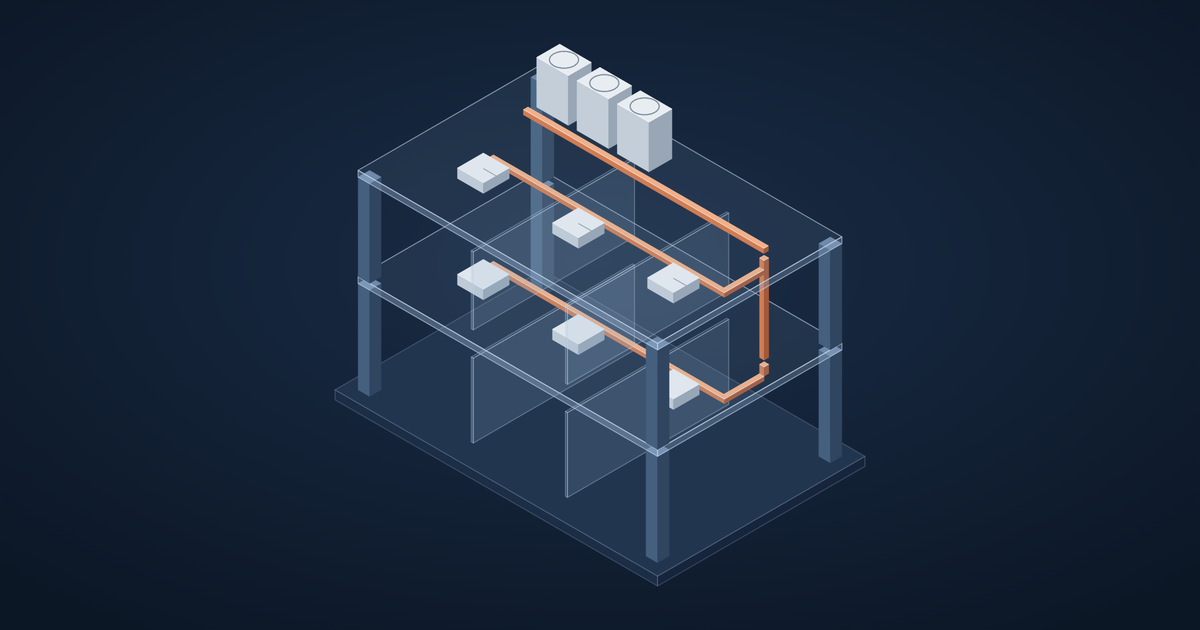
- Outdoor units, cable trays and exposed pipework near the coast should have anti-corrosion coatings or suitable materials.
- Plan maintenance access: equipment that can be reached gets cleaned and repainted.
2. Humidity and comfort
High humidity makes a room feel warmer than the thermometer says and encourages mould and musty smells, especially in homes that are closed for months, a common situation with holiday villas.
- Size air conditioning for latent load, not just temperature. Systems that cool quickly but don't remove moisture leave rooms cold and clammy.
- Consider dehumidification for closed-up villas, wardrobes, server rooms and storage.
- Provide controlled fresh air, especially in hotels and offices. Fresh air brings moisture in, so it needs to be treated.
- Insulate chilled water and refrigerant pipes properly to avoid condensation drips onto ceilings.
Our article on HVAC options for villas and hotels in Goa goes into system choices in more detail.
3. Monsoon rain and wind
The monsoon brings intense rain and strong winds, especially near the coast and on exposed hillsides.
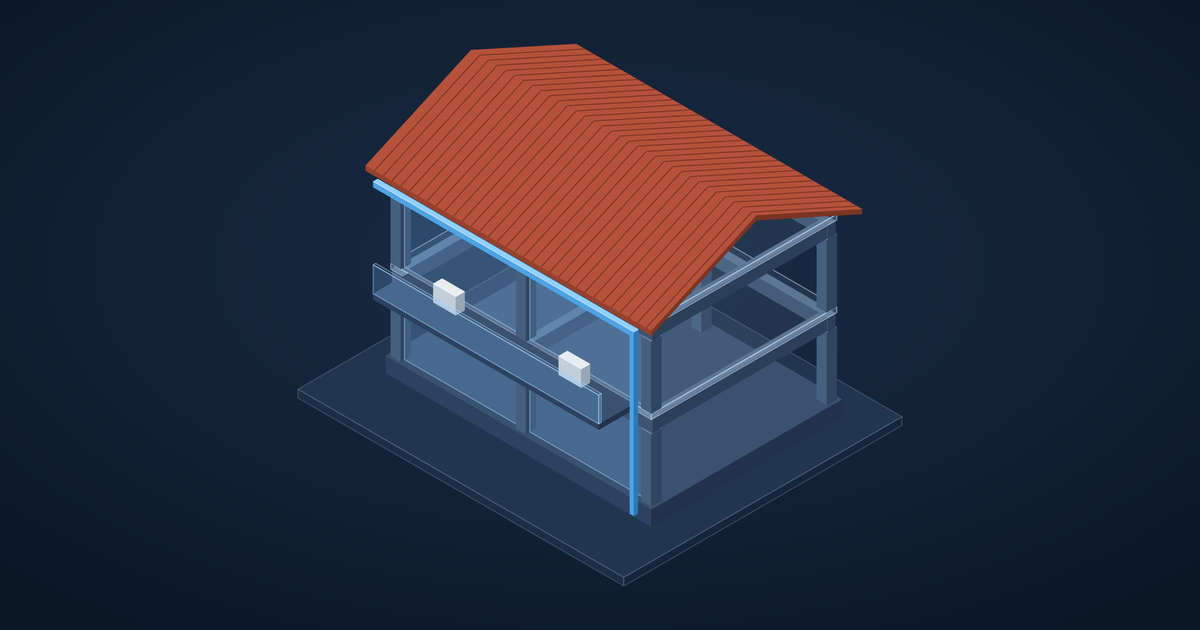
- Storm water drainage should be sized for monsoon intensity, with enough outlets, gutters and downpipes, and overflow paths for when outlets block.
- Roofs and terraces need positive falls, proper waterproofing and protected upstands at every penetration.
- Wind loads to IS 875 Part 3 matter for light roofs, PEB cladding, canopies and solar panels, where uplift is often the critical case.
- Basements and lift pits need careful waterproofing and, where water tables rise in the monsoon, dewatering provisions.
- Electrical installations should keep main panels and meter rooms above flood levels and protect outdoor equipment from driving rain.
4. Earthquake design
Goa lies in seismic zone III under IS 1893. Buildings must be designed for earthquake forces, and RCC frames should follow the ductile detailing requirements of IS 13920. This affects column sizes, reinforcement detailing at joints, and how infill walls and staircases are treated.
5. Soil and foundations
Ground conditions vary a lot across Goa, from laterite plateaus to soft soils in low-lying and reclaimed areas near rivers and the coast. A soil investigation before structural design is money well spent; it decides between isolated footings, rafts and piles.
Designing it in from the start
None of these measures are expensive when they are part of the design. They become expensive when they are added after problems appear. IMI Design provides structural design, MEP design and PEB design with Goa's conditions in mind. Get in touch to discuss your project.