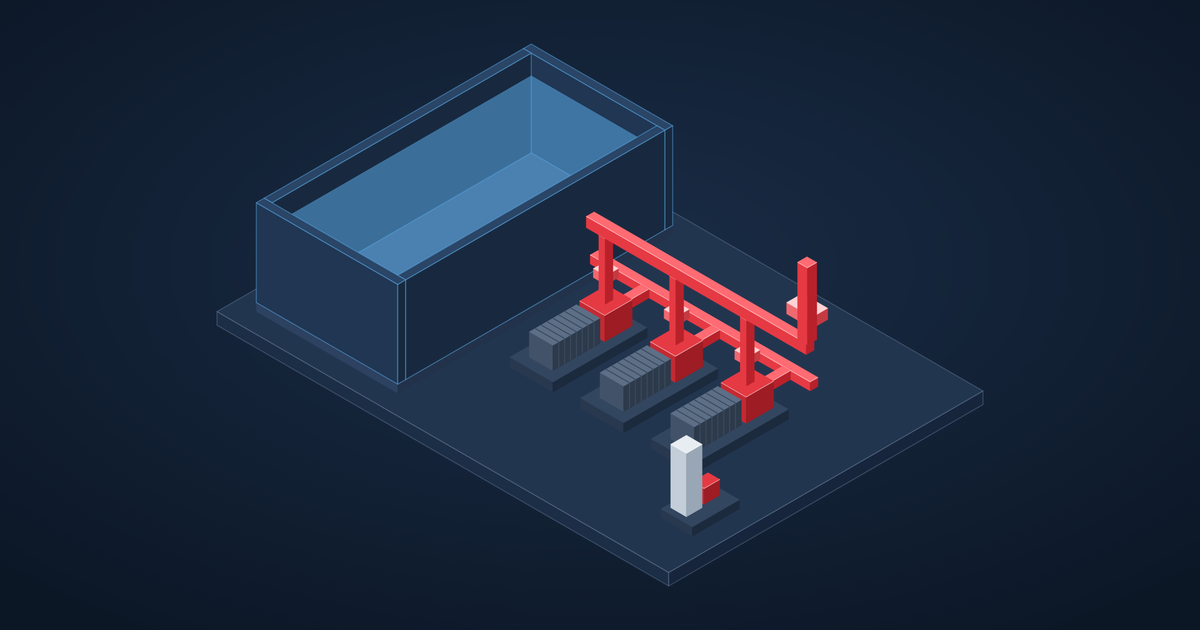
MEP & Fire
Fire NOC in Goa: Which Buildings Need Sprinklers, Hydrants and Fire Alarms?
Getting a fire NOC in Goa: how NBC 2016 Part 4 decides which buildings need sprinklers, hydrants and fire alarms, and how to prepare the drawings.
Find the size of the underground sump and the overhead tank for an apartment building, and the transfer pump that fills one from the other.
Result
–
An estimate for early planning, not a design. Your building, site and authority can change the answer.
All sizes are rounded up to the next 500 litres. Our article on how big the sump and overhead tank should be works through the same method step by step.
If the building needs a downcomer, wet riser or sprinklers, the fire department requires a separate fire water reserve on top of these figures. Use the fire water tank calculator for that, and keep it in its own compartment so the domestic pumps can never empty it.
Articles from our engineers on building on the west coast. All articles
MEP & Fire
Getting a fire NOC in Goa: how NBC 2016 Part 4 decides which buildings need sprinklers, hydrants and fire alarms, and how to prepare the drawings.
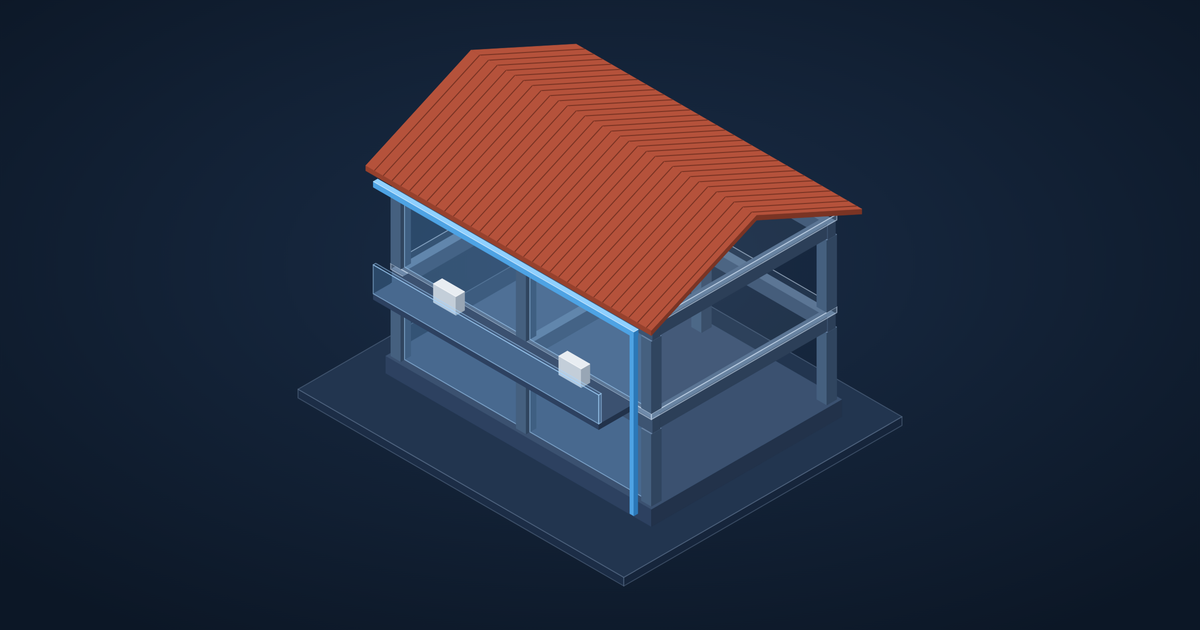
Goa Projects
How Goa's coastal climate (salt air, high humidity and heavy monsoon rain) affects structural, steel and MEP design, and how to make buildings last.
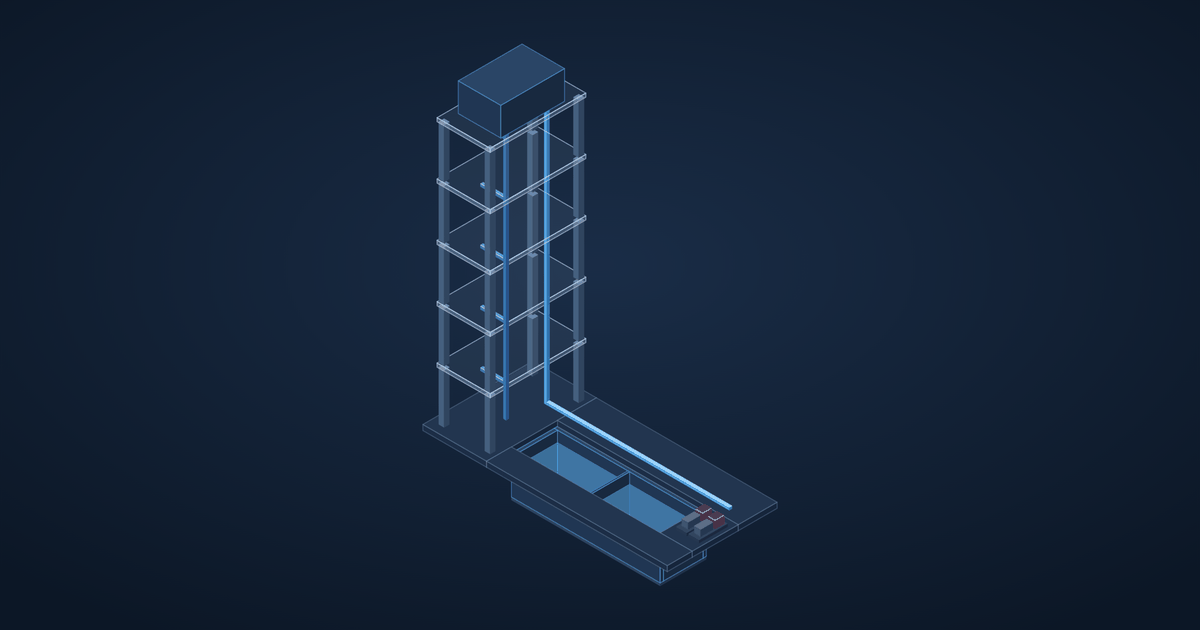
MEP & Fire
How big should the sump and overhead tank be? A worked example for an apartment building: water demand, storage split, fire reserve and the transfer pump.
Something else you'd like to know? Ask us.
For design, about 675 litres a day: five persons at 135 litres each. Actual use is often lower, but the tanks are sized for a full building on a hot day.
About 17,000 litres for one day's storage, plus a separate fire reserve if the building needs one. The overhead tank would be about 8,500 litres.
Usually not. Half a day is enough when the transfer pump can refill it, and a smaller tank is lighter on the structure.
We'll reply within one working day with what the building needs and a fixed fee for the design.